It’s that time of year again, with less than a month until the Rocky Mountain Conference on Magnetic Resonance, one of the premier magnetic resonance conferences in North America. Rocky Mountain is one of my favorite conferences of the year, being able to catch up with the science and the EPR community that helped build my scientific career. It’s always a week of great presentations and great conversations, and I’m excited to return once again to both learn about the latest developments, as well as share some of our own.
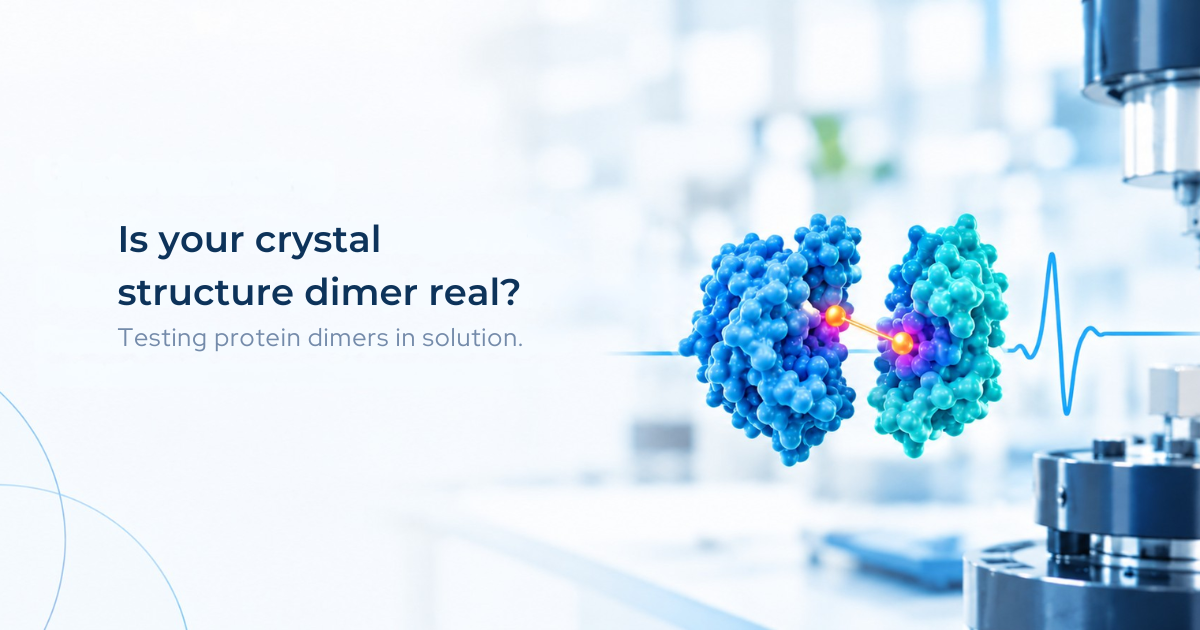
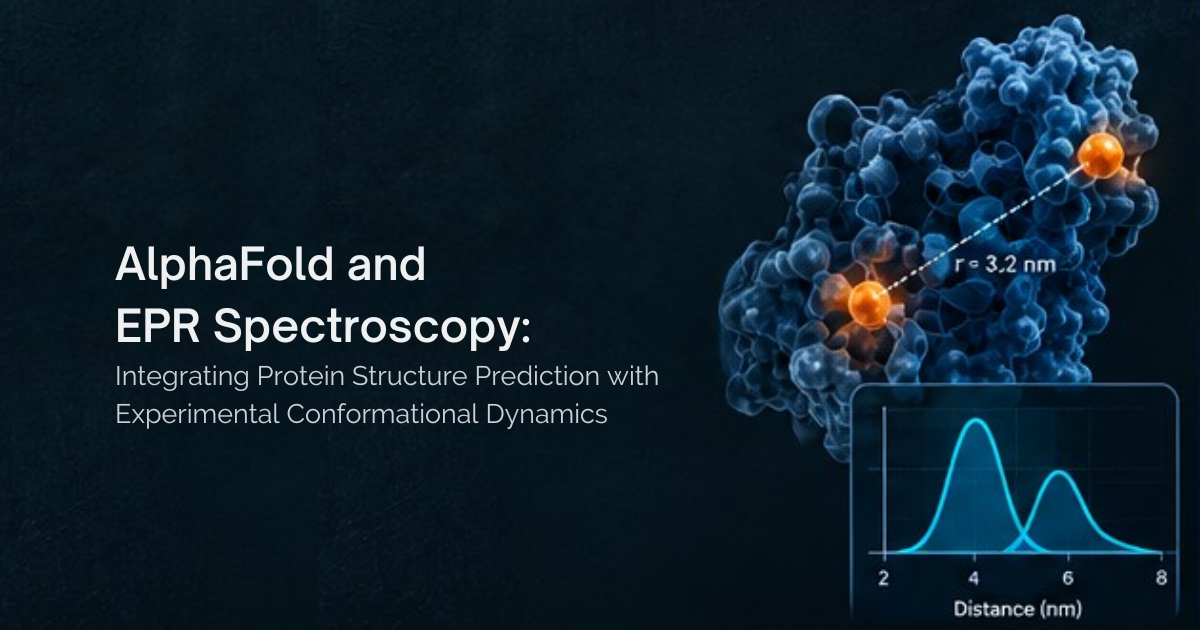
Structural biology retains an important place among the EPR community and the Rocky Mountain Conference. Biological applications are well represented, and as the structural biology industry continues to increase the emphasis on capturing biomolecular dynamics along with their existing structural characterizations, EPR is poised to provide that extra dimension of information. As I’ve mentioned in previous posts, structural biology, and related industries like drug discovery, is progressively moving from "what does it look like?" to "how does it move?”. Conferences like Rocky Mountain provide the tools to answer those questions.
During the conference, I'll be presenting a project I’ve worked on with a major industry partner using High Q’s fully automated FATHOM EPR system. This project involved difficult target proteins at low concentrations, and over the past few months we've been focusing on improving the automation, sensitivity, and phase stability over long acquisitions. We’ve been quietly and diligently working to make FATHOM into an instrument that is more dependable, day after day. For anyone working with biological samples, sensitivity is always valuable because the signals can be weak, and the sample is often limited. High phase stability allows for longer coherent averaging without worrying about drifts, retuning, or recalibrating. And in scenarios where material is difficult to prepare (for instance, notoriously challenging membrane proteins), being able to work with smaller sample volumes is vital.
Every Rocky Mountain Conference seems to produce a few ideas nobody quite expected, a handful of new collaborations, and at least one conversation that ends up being far more important than it first appeared. If you're attending the Rocky Mountain Conference on Magnetic Resonance, I'd be happy to show you some of our recent work on the FATHOM, hear about the systems you're working on, and compare notes on where EPR is headed next.
See you in Utah!