
Date: August 10–13, 2026
Location: Omni Boston Hotel at the Seaport, Boston, MA
High Q Technologies is excited to exhibit at Bioprocessing Summit 2026, one of the leading events for scientists and professionals working in biologics development, analytical characterization, and bioprocess innovation. If you're attending the Bioprocessing Summit, visit us to learn how Electron Paramagnetic Resonance (EPR) spectroscopy is helping researchers gain a more complete understanding of protein dynamics.
Booth #401
Proteins are dynamic molecules, thus at Bioprocessing Summit 2026, we'll be demonstrating how High Q Technologies' EPR spectrometers help researchers close the conformation gap by measuring protein dynamics, conformational changes, and molecular interactions that are difficult to capture with conventional methods.
If you're developing therapeutic proteins, improving protein characterization, or looking for complementary analytical techniques, we'd love to discuss how EPR can support your research and development goals.
If you're attending Bioprocessing Summit 2026, stop by Booth #401 or schedule a meeting below with our team. We look forward to seeing you in Boston.
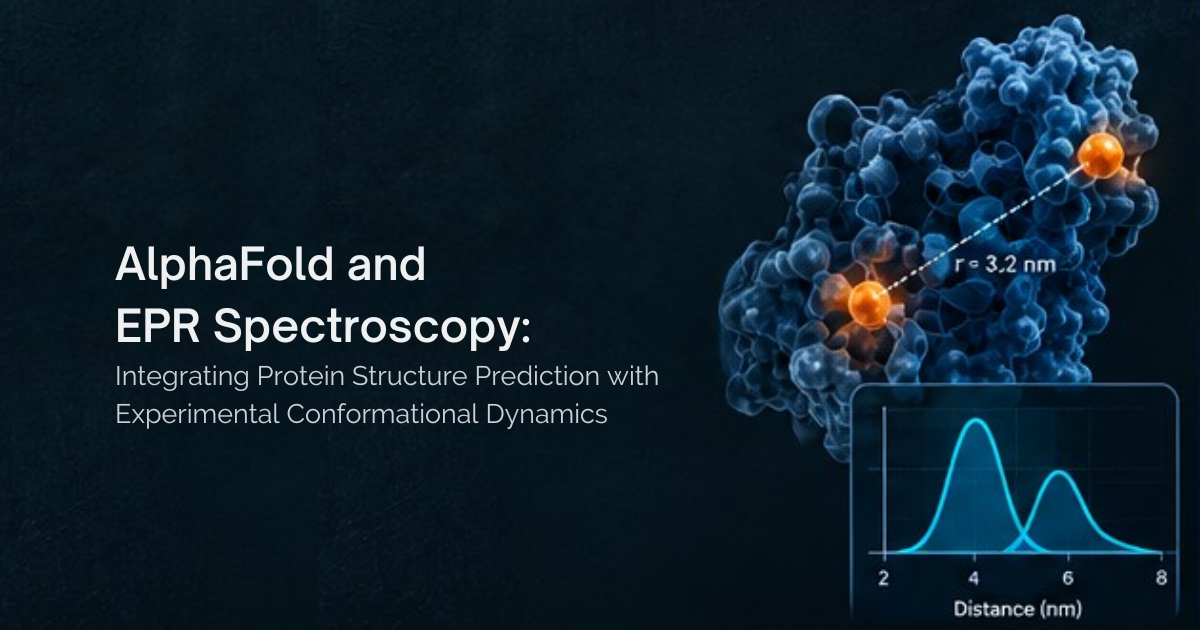
Few tools have changed structural biology as quickly as AlphaFold2. Within a few years of its release, AlphaFold2 had become an important starting point for structural studies of many proteins. However, transporters, receptors, channels and many enzymes function through conformational changes, and ligand binding can shift proteins between different structural states. A single predicted model, however confident, represents one structural state rather than the full range of conformations a protein may populate. This is where Electron Paramagnetic Resonance (EPR) spectroscopy comes in.
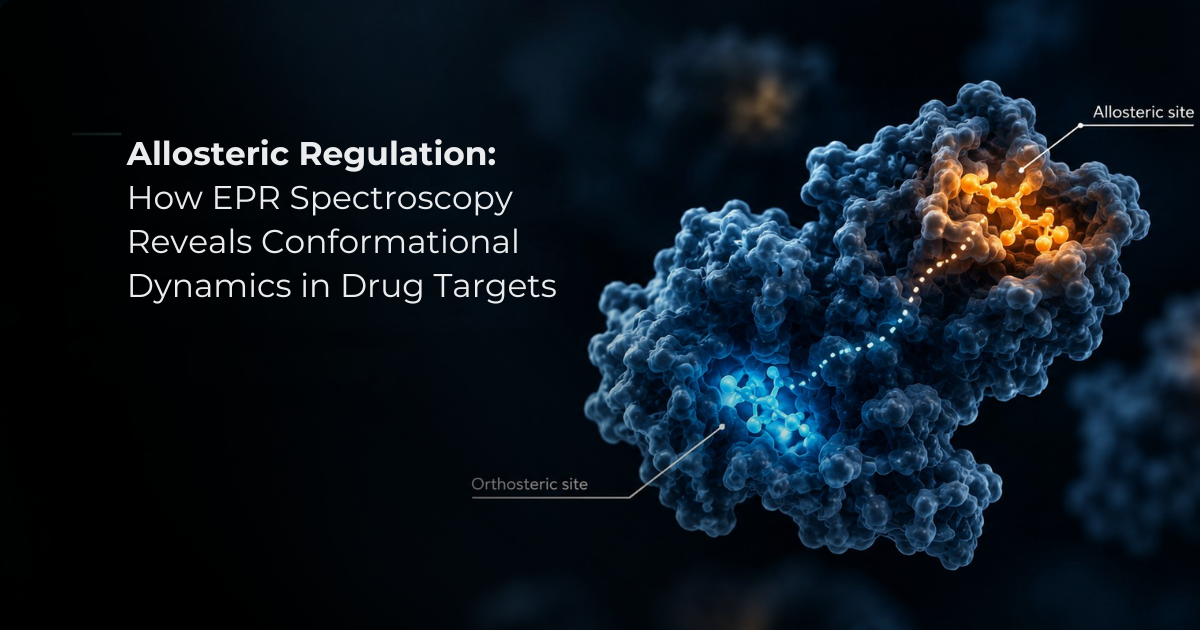
Allosteric regulation is a fundamental mechanism of cellular control, enabling proteins to respond to signals at one site and translate them into changes in activity at another, often distant, site. Proteins regulated in this way, known as allosteric proteins, are involved in a wide range of biological processes, including enzyme regulation, signal transduction, cell adhesion and transcription.
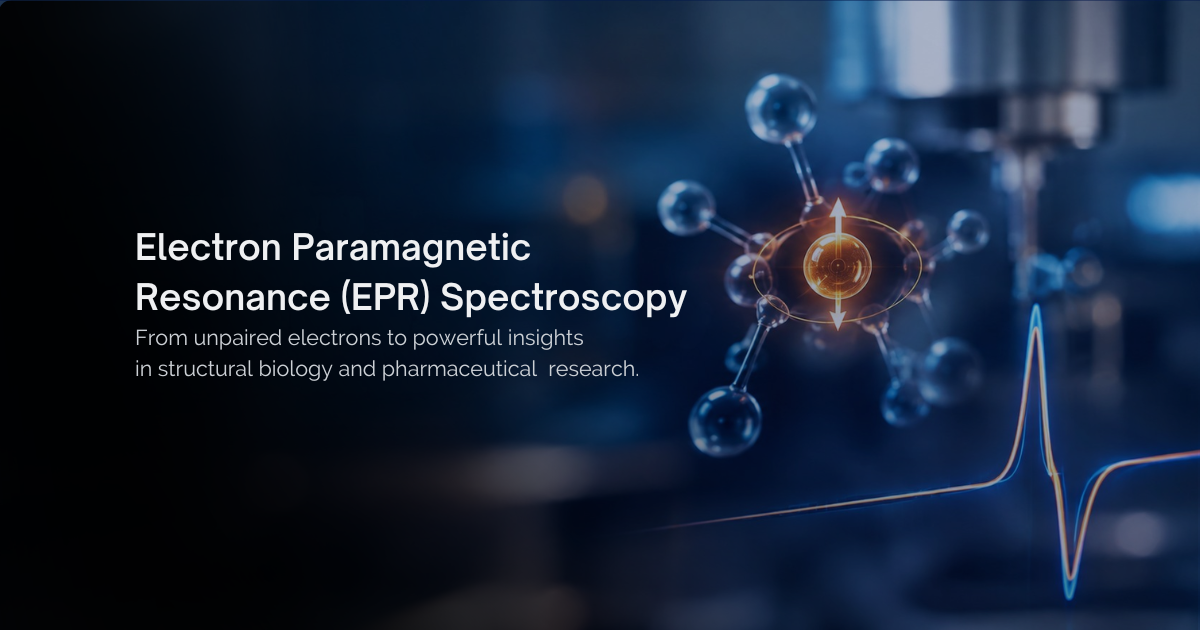
Electron paramagnetic resonance spectroscopy is a powerful way to study materials, molecules, and systems with unpaired electrons. It is often called EPR, ESR, electron spin resonance spectroscopy, or spin resonance spectroscopy.
Ready to see FATHOM in action?
Our applications specialists will walk you through a demo, answer technical questions, and help you assess fit for your specific research program.