High Q Technologies at Discovery & Development US 2026
October 12–13, 2026
Hilton San Diego Bayfront | San Diego, CA
Drug discovery depends on understanding the complex behavior of biological targets. While traditional approaches provide valuable structural insights, proteins are constantly moving between different conformational states that influence function, binding, and therapeutic potential.
Visit HighQ Technologies at Discovery & Development US 2026 to learn how advanced Electron Paramagnetic Resonance (EPR) spectroscopy helps researchers close the conformation gap by revealing protein dynamics that are often missed by conventional methods.
HighQ's EPR solutions provide insights into conformational changes, molecular interactions, and protein behavior, supporting research in target validation, therapeutic development, and biophysical characterization.
Connect with our team in San Diego to discover how understanding protein dynamics can help accelerate better decisions throughout the drug discovery process.
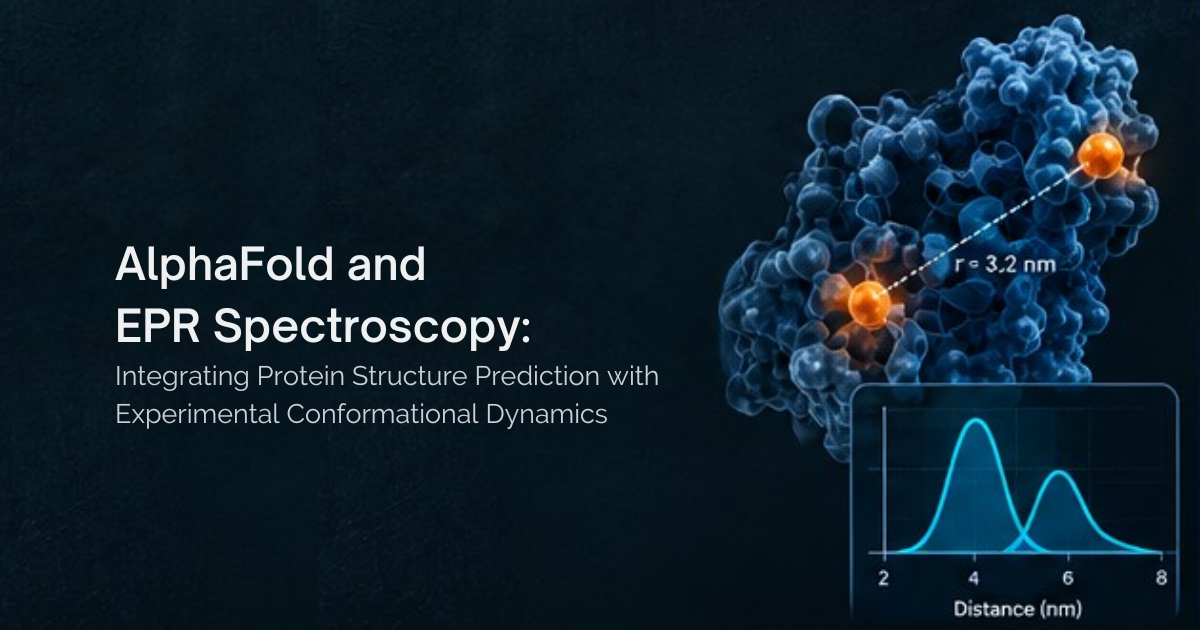
Few tools have changed structural biology as quickly as AlphaFold2. Within a few years of its release, AlphaFold2 had become an important starting point for structural studies of many proteins. However, transporters, receptors, channels and many enzymes function through conformational changes, and ligand binding can shift proteins between different structural states. A single predicted model, however confident, represents one structural state rather than the full range of conformations a protein may populate. This is where Electron Paramagnetic Resonance (EPR) spectroscopy comes in.
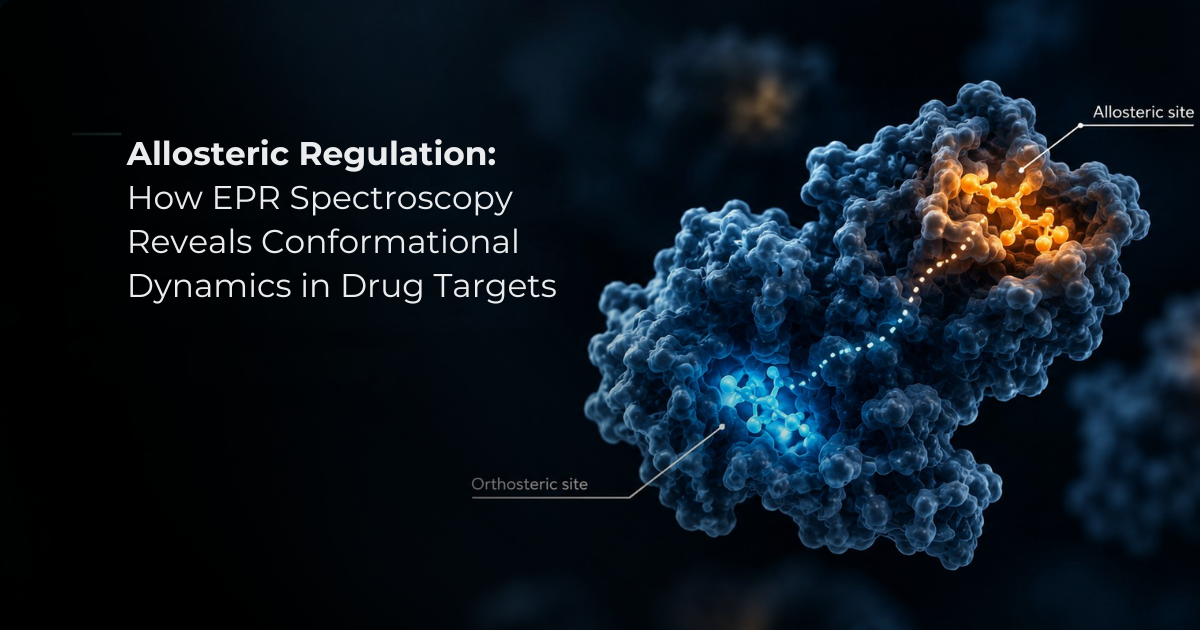
Allosteric regulation is a fundamental mechanism of cellular control, enabling proteins to respond to signals at one site and translate them into changes in activity at another, often distant, site. Proteins regulated in this way, known as allosteric proteins, are involved in a wide range of biological processes, including enzyme regulation, signal transduction, cell adhesion and transcription.
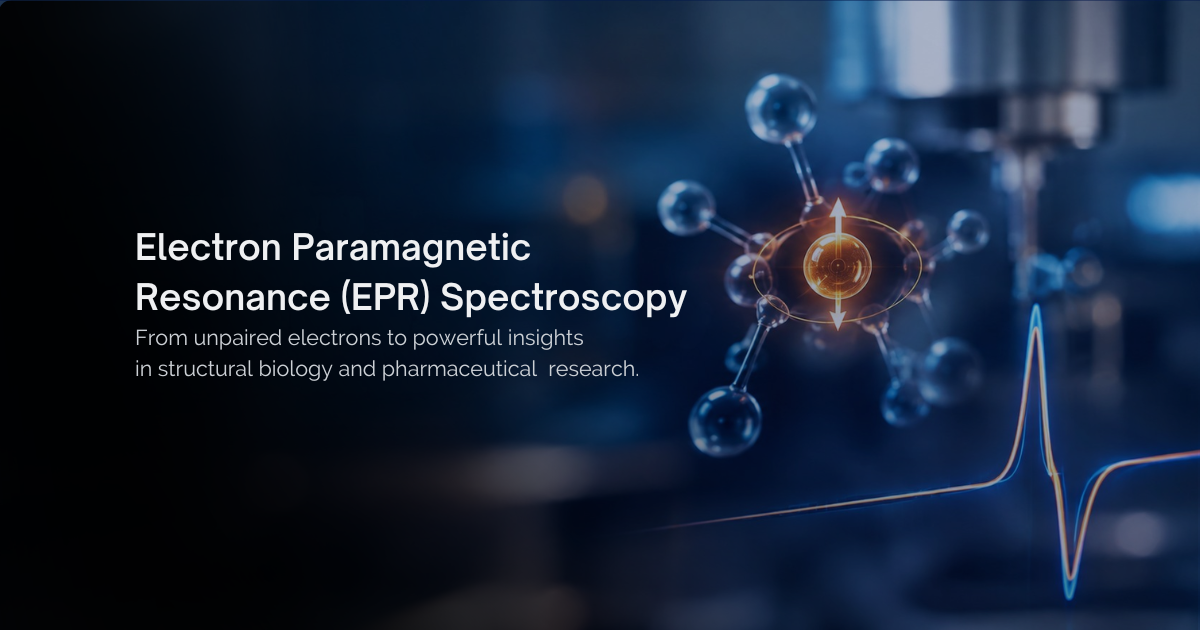
Electron paramagnetic resonance spectroscopy is a powerful way to study materials, molecules, and systems with unpaired electrons. It is often called EPR, ESR, electron spin resonance spectroscopy, or spin resonance spectroscopy.
Ready to see FATHOM in action?
Our applications specialists will walk you through a demo, answer technical questions, and help you assess fit for your specific research program.