Stay Informed
Discover upcoming events and explore past webinars to gain insights into the latest scientific innovations, applications, and technologies from High Q Technologies

Electron paramagnetic resonance spectroscopy is a powerful way to study materials, molecules, and systems with unpaired electrons. It is often called EPR, ESR, electron spin resonance spectroscopy, or spin resonance spectroscopy.
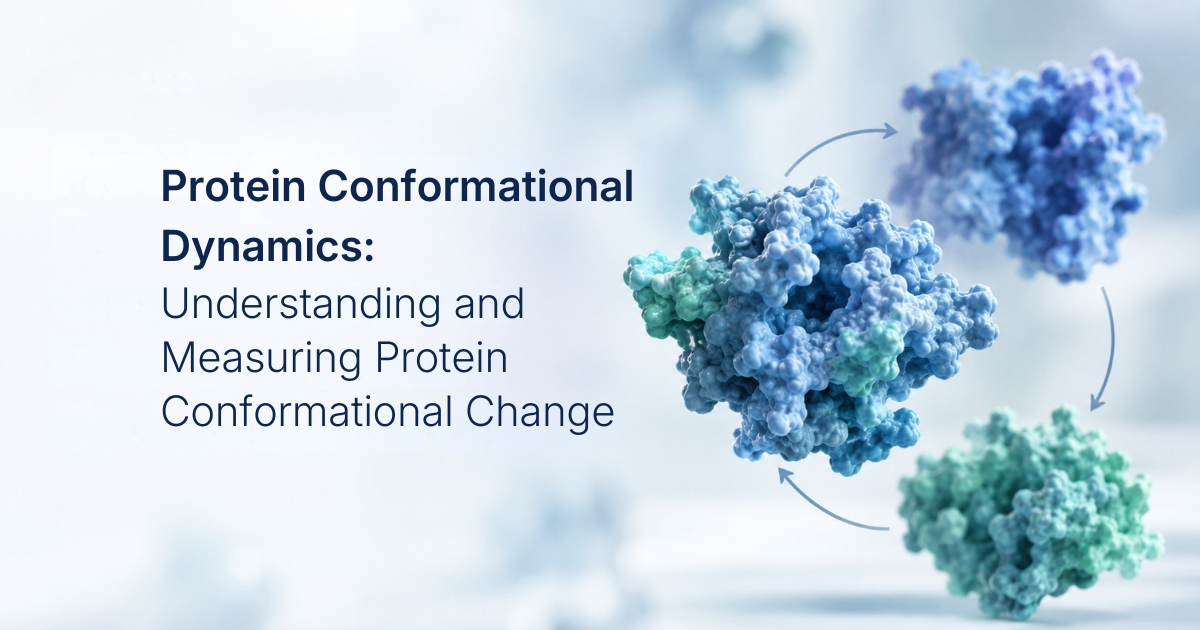
A protein conformational change is often described as a transition from one structural state to another: open to closed, inactive to active, or apo to ligand-bound. That language is useful for describing structural differences, but it can obscure the physical problem that determines how a protein behaves in solution.
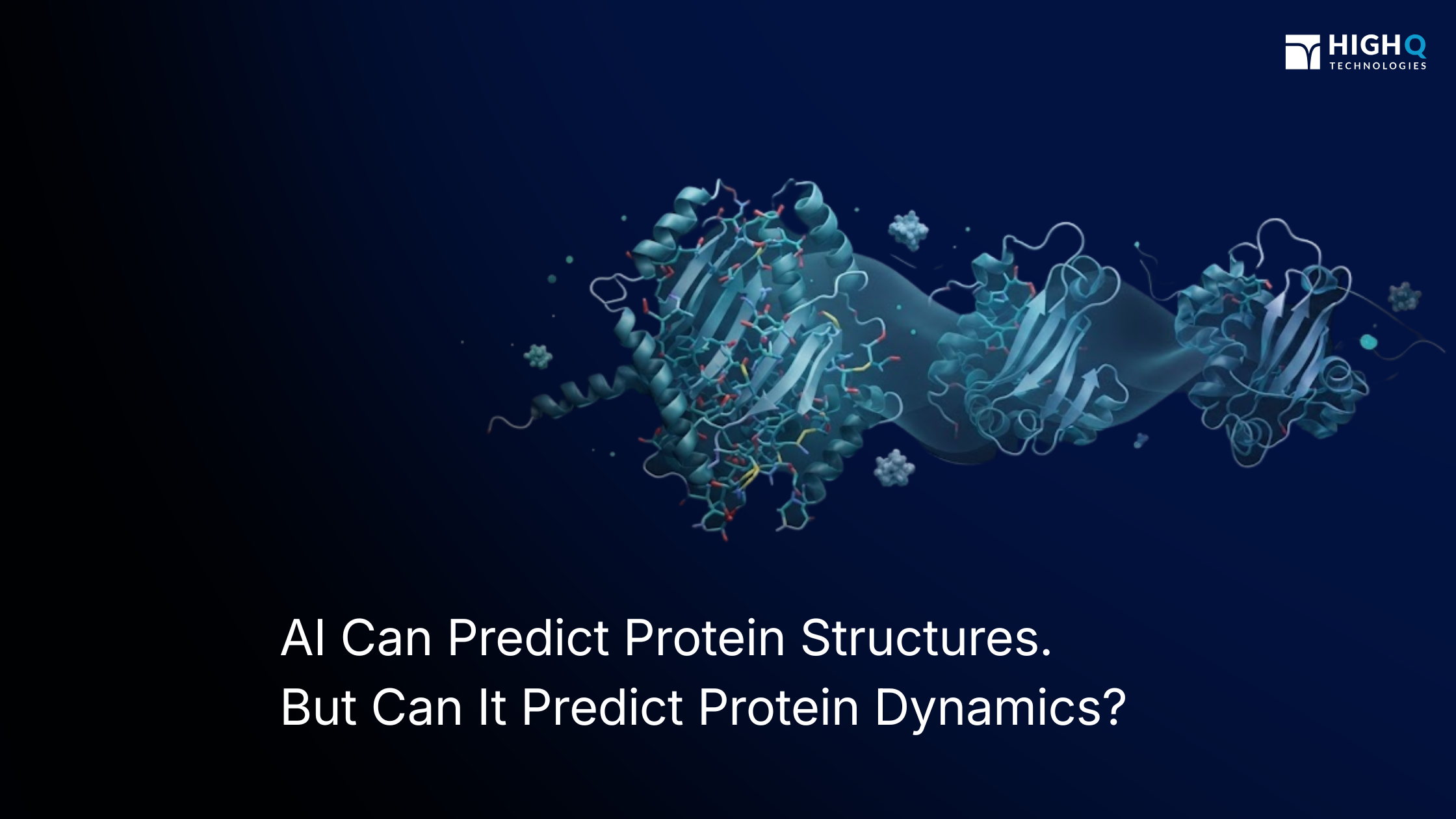
Artificial intelligence has changed the starting point for structural biology. Protein structure prediction tools such as AlphaFold can generate highly accurate structural models for many proteins, including proteins for which experimentally determined structures are unavailable.

Structure-based drug design uses the three-dimensional structure of a target protein to identify functional binding sites and design drug molecules that complement their shape, size, and electrostatic properties. This approach has enabled major advances in medicine, including HIV protease inhibitors, antibiotics, and targeted cancer therapies such as imatinib.

In my inaugural post of Insights, I took a bird’s-eye view of how EPR can fit into the broad and diverse landscape of biophysics – an apt reflection after a meeting of the Biophysical Society. This past week I ventured to Leeds to join the Royal Society of Chemistry’s ESR meeting (EPR and ESR are interchangeable) and for a meeting of such focused subject matter, this reflection will appropriately take a more focused approach.

Despite being still an incredibly niche technique, the current state of EPR is something to be excited about. EPR – electron paramagnetic resonance – is a diverse and robust technique that can unlock biophysical information by measuring nanoscale intramolecular distances, determining localized dynamics, and probing paramagnetic binding environments. Every year talented investigators are using this spectroscopy to discover new information and solve old problems. I had the chance to interact with several such groups and see firsthand the new directions the field is heading.
Ready to see FATHOM in action?
Our applications specialists will walk you through a demo, answer technical questions, and help you assess fit for your specific research program.